
| EI² ❘ Products & Systems ❘ CD-Max |

CD-MAX™ represents a next-generation advancement in chlorine dioxide (ClO₂) generation technology. This NSF 60–certified and EPA-registered aqueous solution combines sodium chlorate and hydrogen peroxide into a stable, high-performance precursor designed for on-site chlorine dioxide production.
When activated with sulfuric acid inside the CD-MAX auto self-tuning generator, the system produces a high-purity chlorine dioxide solution under controlled vacuum conditions. The process ensures precise stoichiometric blending of reactants within a temperature-regulated chamber, resulting in consistent output, enhanced safety, and optimized performance. The generated ClO₂ is then safely diluted, monitored in real time, and accurately injected into the water stream. Flow-paced dosing ensures that treatment levels adjust dynamically to system demand, improving efficiency while maintaining regulatory compliance.
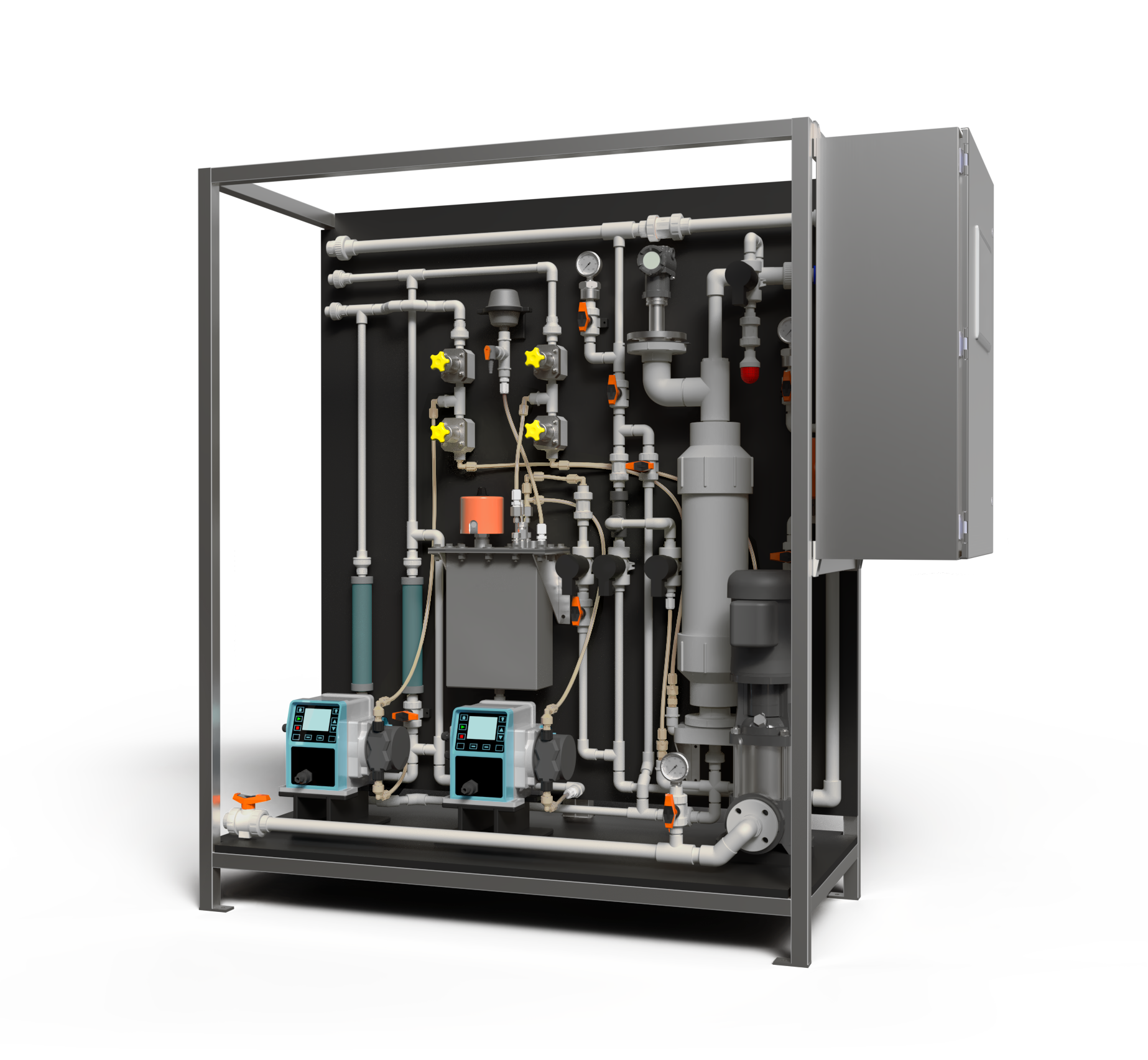
CD-MAX™ delivers a powerful combination of performance, safety, and operational efficiency:
CD-MAX™ technology is ideally suited for mid-size to large-scale water treatment facilities seeking a safer alternative to chlorine gas while maintaining high efficiency and output. The system requires only two primary stored chemicals, reducing handling complexity and improving operational safety.
This reaction achieves a theoretical 100% molar conversion efficiency of sodium chlorate to chlorine dioxide. In real-world applications, generator efficiency typically reaches 95–97%, delivering exceptional yield and cost-effectiveness.
The CD-MAX™ generator system is engineered for safe, reliable, and efficient conversion of CD-MAX precursor into chlorine dioxide. Designed with modular integration in mind, each system is delivered with interconnected components that allow for fast, streamlined installation and minimal on-site assembly.
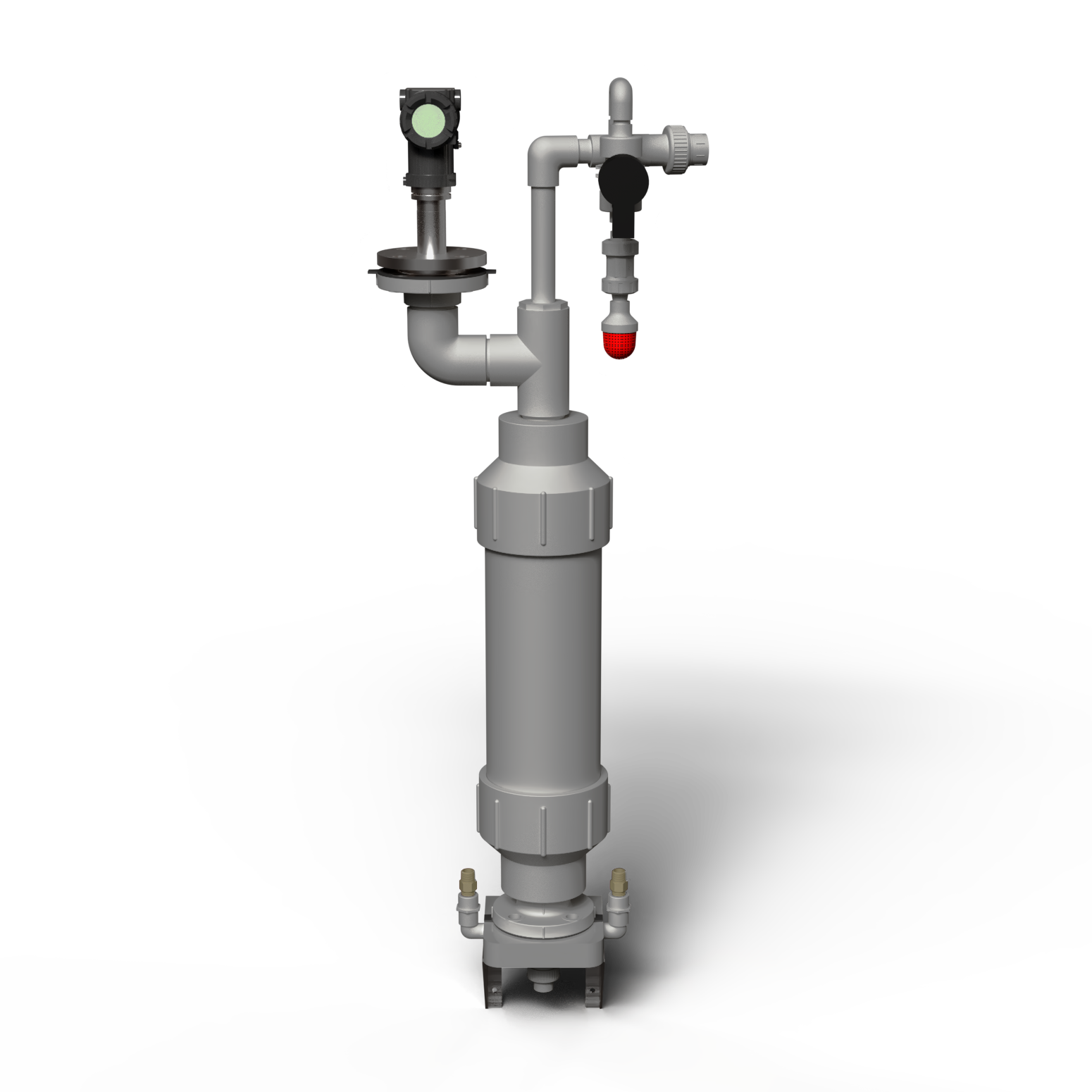
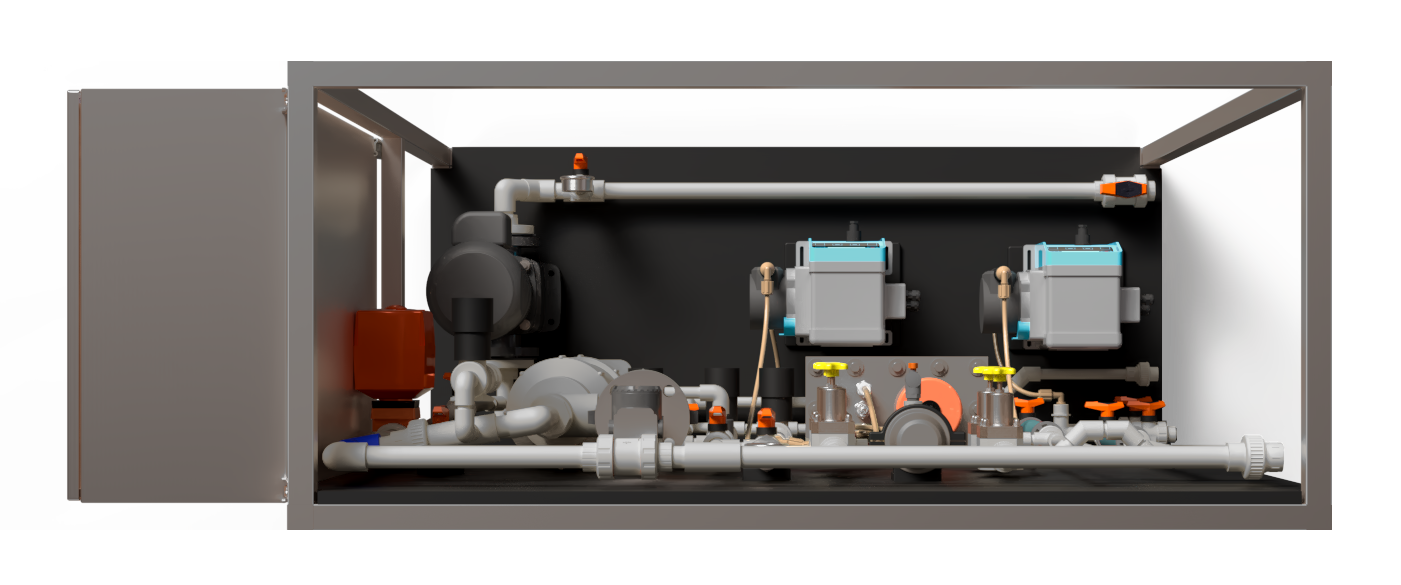
CD-MAX™ generators are available in a range of scalable output capacities to meet varying system demands:
Each unit features a 15:1 turndown ratio, allowing operators to efficiently adjust production levels without compromising performance or system stability.
| Austin, TX ❘ Dallas, TX ❘ Houston, TX ❘ Oklahoma City, OK |


|